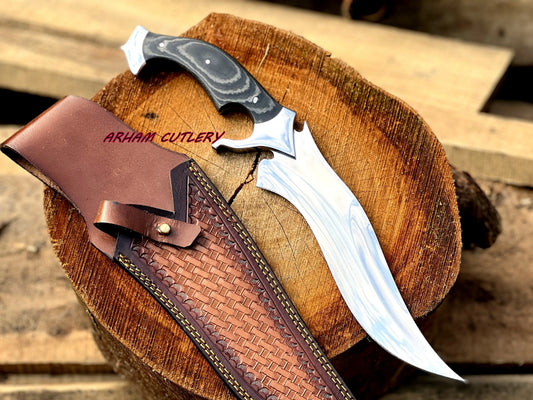
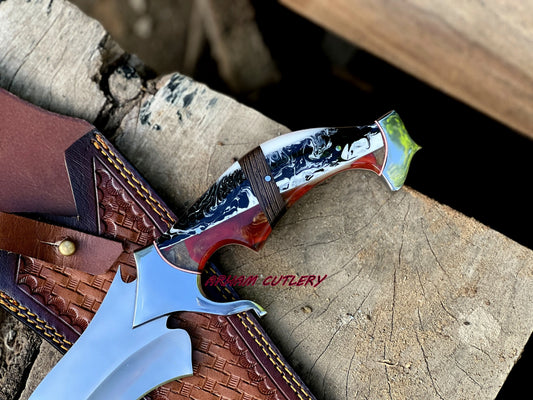
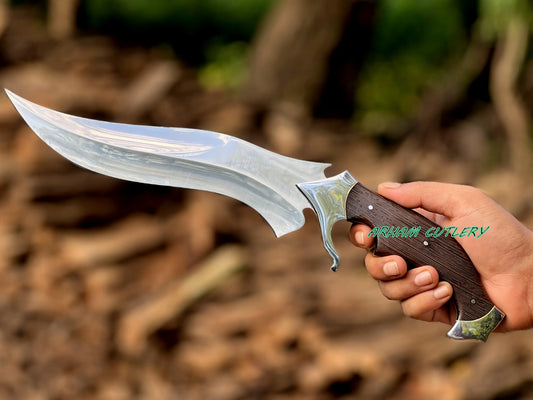
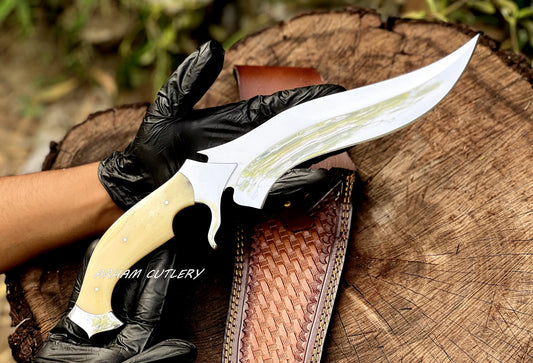
Collection: Handmade Hunting Knives
Handmade Hunting Knives for Field, Outdoor & Survival Use
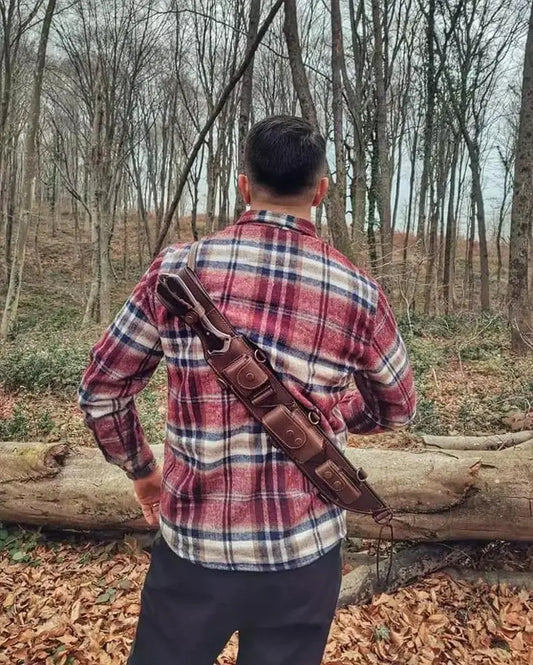
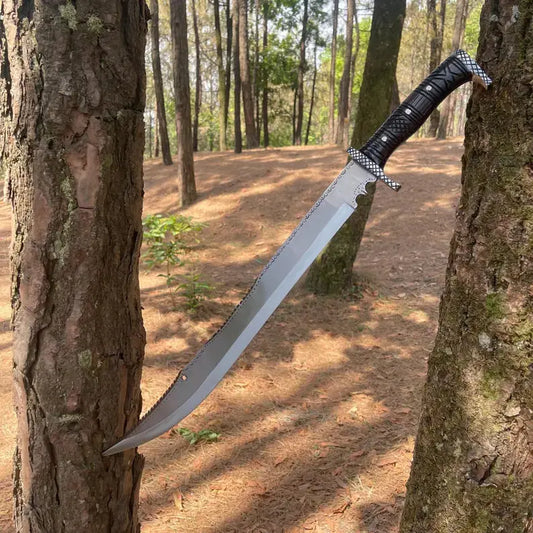
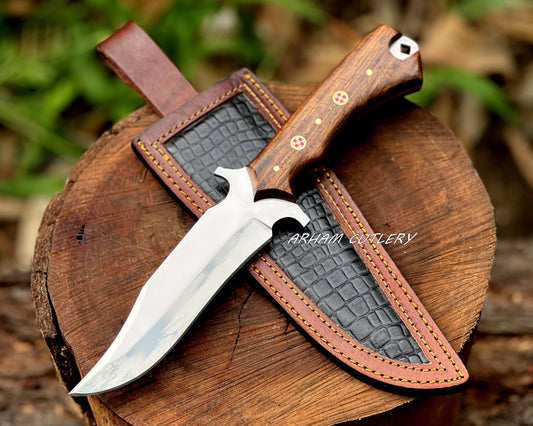
Explore Handmade Hunting Knives by Arham Cutlery, crafted for field use, outdoor work, ranch tasks, survival, collectors, and serious knife enthusiasts. Our range includes Damascus, D2, Bowie, skinner, gut hook, tracker, and other custom knives designed around different blade profiles, steels, and handle materials.
Whether you are preparing gear for the hunt, building an outdoor kit, or choosing a dependable blade for survival use, compare blade length, steel type, edge profile, tang construction, handle grip, sheath style, and overall balance. Arham Cutlery offers custom knives with wood, bone, horn, Micarta, pakkawood, resin, stacked leather, and other handle options depending on the model.
For patterned steel designs, explore our Damascus field blades, or compare D2 options in our D2 field knife collection.
Explore Related Collections
-
Damascus Hunting Knives
Handmade Damascus Hunting Knives for Field & Outdoor Use Explore handmade Damascus...
-
D2 Hunting Knives
Handmade D2 Hunting Knives for Field & Outdoor Use Explore D2 Hunting...
-
Skinning Knife
Handmade Skinning Knives Explore handmade skinning knives from Arham Cutlery, designed for...
-
Hunting Bowie Knives
Handmade Hunting Bowie Knives for Field & Outdoor Use Explore Hunting Bowie...
-
D2 Steel Hunting Knife | 15.5" Bowie Knife with Micarta Sheet Handle & Leather Sheath
Regular price $200.00 USDRegular price$250.00 USDSale price $200.00 USDSale -
D2 Steel Hunting Knife | 15.5" Bowie Knife with Color Full Resin Handle & Leather Sheath
Regular price $200.00 USDRegular price$250.00 USDSale price $200.00 USDSale -
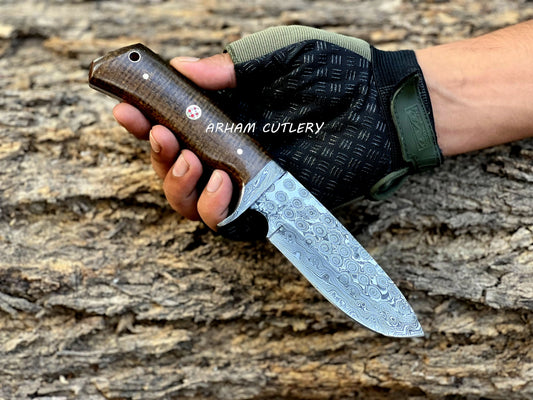
D2 Steel Hunting Knife | 15.5" Bowie Knife with Wenge Wood Handle & Leather Sheath
Regular price $200.00 USDRegular price$250.00 USDSale price $200.00 USDSale -
Handmade D2 Steel Hunting Knife with Camel Bone Handle & Leather Sheath
Regular price $180.00 USDRegular price$299.00 USDSale price $180.00 USDSale -
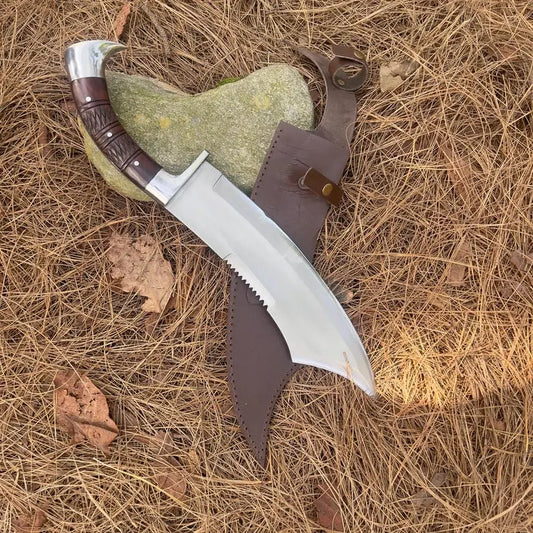
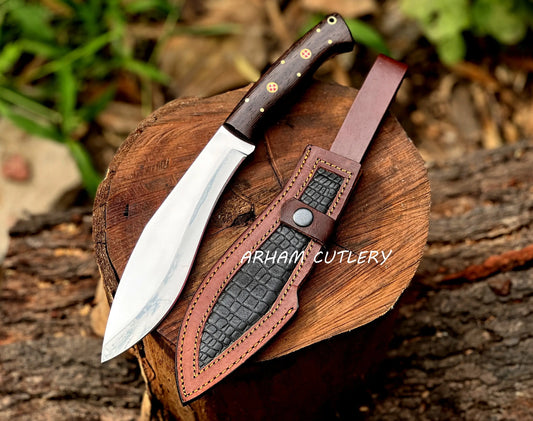
Handmade 5160 Carbon Steel Gurkha Knife
Regular price $250.00 USDRegular price$340.00 USDSale price $250.00 USDSale -
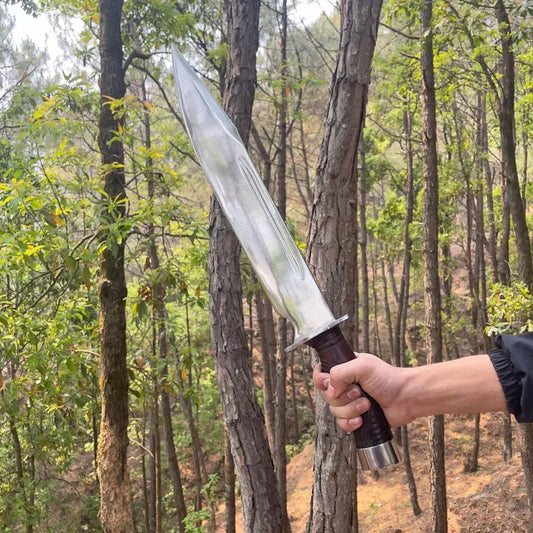
Handmade Seax Knife | Farmers Using Hand Forged Gurkha 15.5 Inch Carbon steel Knife
Regular price $299.00 USDRegular price$360.00 USDSale price $299.00 USDSale -
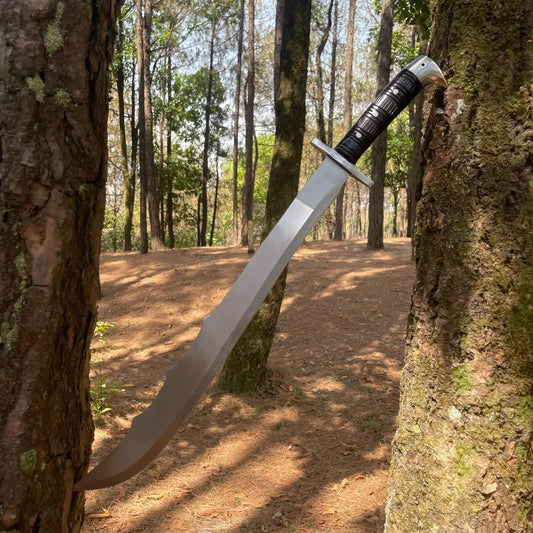
21 Inch Everest Hand Forged Kukri Knife | Hand Forged Gurkha Knife
Regular price $450.00 USDRegular price$590.00 USDSale price $450.00 USDSale -
22 Inch Handmade Seax Knife | Hand Forged Gurkha Knife
Regular price $350.00 USDRegular price$499.00 USDSale price $350.00 USDSale -
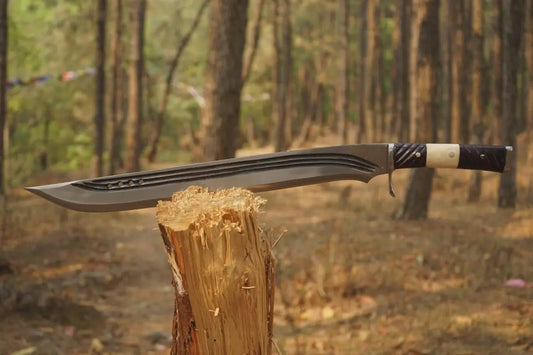
New Custom HANDMADE Spring Steel 5160 Hunting Forest Full Tang MACHETE KNIFE
Regular price $385.00 USDRegular price$499.00 USDSale price $385.00 USDSale -
Hand-Forged 80crv2core Steel Camping Knife With Superior Leather Sheath
Regular price $240.00 USDRegular price$350.00 USDSale price $240.00 USDSale -
21 Inch Hand Forged Gurkha Seax Knife | Hand Forged Gurkha Knife
Regular price $399.00 USDRegular price$489.00 USDSale price $399.00 USDSale -
Handmade D2 Steel Hunting Knife – Rosewood Handle with Leather Sheath
Regular price $120.00 USDRegular price$140.00 USDSale price $120.00 USDSale -
Handmade D2 Steel Hunting Knife – Mirror Polish Blade, Wenge Wood Handle with Leather Sheath
Regular price $120.00 USDRegular price$140.00 USDSale price $120.00 USDSale -
Handmade Damascus Steel Hunting Knife with Micarta Handle, Damascus Guard & Leather Sheath – Arham Cutlery
Regular price $99.00 USDRegular priceSale price $99.00 USD -
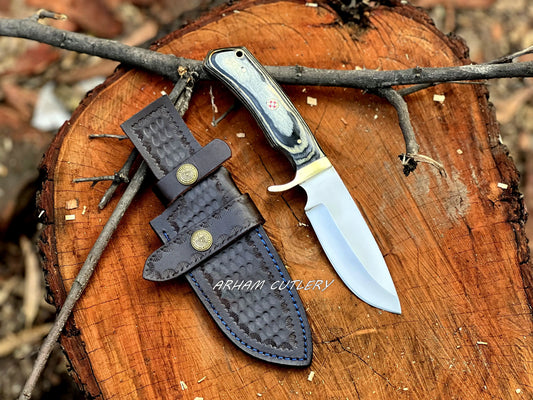
Custom Handmade D2 Steel Hunting Knife with Brass Guard & Leather Sheath
Regular price $99.00 USDRegular priceSale price $99.00 USD -
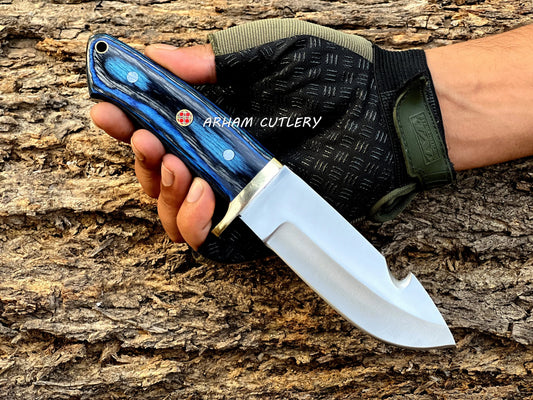
D2 Stainless Steel Gut Hook Hunting Knife with Leather Sheath – Blue Pakkawood Handle
Regular price $99.00 USDRegular priceSale price $99.00 USD
What Makes a Good Handmade Hunting Knife?
A handmade hunting knife should match the field tasks, grip preference, steel choice, blade size, and carry style of the person using it. Some hunters prefer a compact skinner with a curved belly, while others want a larger Bowie, gut hook, tracker, or general-purpose fixed blade.
At Arham Cutlery, our range brings together different steel types, handle materials, blade profiles, and sheath styles so buyers can compare knives around real outdoor needs rather than one single design.
For patterned steel options, explore the Damascus Hunting Knives collection, or compare tool-steel field blades in the D2 Hunting Knives collection.
The Arham Field Knife Standard
A field knife should not be judged only by steel name or appearance.
At Arham Cutlery, we look at blade geometry, steel, heat treatment, tang construction, handle grip, balance, sheath, blade length, and intended use.
We call this the Arham Field Knife Standard.
The goal is to offer handmade hunting knives where the blade profile, handle, materials, and overall proportions work together rather than simply adding decorative features.
Choosing the Right Blade Profile
Different blade shapes suit different tasks.
A drop-point or broad-bellied blade can offer controlled cutting and general field versatility.
A dedicated skinner usually emphasizes a curved working edge.
A Bowie provides more blade length and a pronounced fixed-blade profile.
A gut hook adds a specialized hooked cutting area.
A tracker combines multiple working sections into one larger blade.
That is why blade profile should be chosen around the task rather than appearance alone.
Damascus Hunting Knives
Damascus steel remains popular with buyers who appreciate layered patterns and handcrafted character.
A Damascus pattern can make every knife visually distinctive, but performance still depends on steel composition, heat treatment, edge geometry, and construction.
The Ramhorn Trailcrest Damascus Hunting Knife combines patterned steel with a ram-horn handle, while the Boneforge Doublecrest Damascus Hunting Knife offers a different bone-and-Micarta handle style.
For more patterned field blades, browse the full Damascus Hunting Knives collection.
Rosewood Hunting Knives
Natural wood remains a classic choice for outdoor fixed blades.
Rosewood provides warm grain and traditional styling while pairing naturally with both patterned and plain steel blades.
The Rosewood Curvecrest Damascus Hunting Knife is one example of a handmade fixed blade built around a rosewood handle and a 5-inch blade profile.
Wood should be evaluated for more than appearance. Consider handle shape, length, contour, balance, and how the knife feels during controlled use.
D2 Steel Field Knives
D2 is a tool steel often chosen for wear resistance and edge retention.
For outdoor knives, steel performance should still be considered together with heat treatment, blade thickness, edge angle, and intended use.
Buyers who prefer D2 can compare the D2 Hunting Knives collection, where the focus is specifically on D2 field-blade designs.
No steel is automatically best for every buyer. Maintenance preference and sharpening habits matter just as much as steel name.
Skinning Knives
A dedicated skinning knife typically emphasizes a curved cutting edge and manageable blade geometry.
The Bone Upsweep Damascus Skinning Knife shows how a curved profile can be paired with a natural bone handle.
If skinning is your main priority, explore the broader Skinning Knives collection.
A specialized skinner may provide more precise control for that role than a much larger all-purpose field blade.
Gut Hook Knives
Some hunters prefer a knife with a gut hook positioned near the spine of the blade.
This provides an additional specialized cutting area while the main edge remains available for broader field tasks.
Buyers who specifically want this feature should compare the Gut Hook Knives collection.
A gut hook is not necessary for every user, so choose it because it matches your field routine rather than simply because it adds another feature.
Hunting Bowie Knives
Bowie knives appeal to buyers who prefer a large fixed blade with a longer cutting edge, guard-oriented construction, and traditional outdoor styling.
They can be suitable for camping, field use, collecting, and buyers who simply prefer a larger blade format.
For dedicated Bowie profiles, browse the Hunting Bowie Knives collection.
When comparing a Bowie with a smaller field knife, pay close attention to overall length, weight, handle size, balance, and sheath carry.
Tracker Knives
Tracker-style knives use a broad, multi-section blade profile designed around versatility.
They can appeal to bushcraft and outdoor users who want a larger fixed blade with several working areas.
If that style suits your outdoor setup, compare the Tracker Knives collection.
A tracker can offer more blade surface and versatility, while a smaller field knife may be easier to carry and control for precision work.
Bushcraft and Survival-Oriented Blades
Some field knives naturally overlap with bushcraft and survival use.
The Bone Bushcrest Damascus Bushcraft Knife is one example of a handmade outdoor blade with a natural bone handle.
For survival-oriented use, do not focus only on blade size.
Consider grip comfort, steel maintenance, blade thickness, edge geometry, tang construction, sheath quality, and how conveniently the knife fits into the rest of your outdoor equipment.
Handle Materials for Field Knives
Handle choice affects comfort, grip, appearance, maintenance, and overall balance.
Bone and Horn
Bone, stag, and ram horn provide strong traditional character and natural variation.
No two natural handles look completely identical, which adds individuality to handmade knives.
Wood
Rosewood, walnut, pakkawood, and other wood-based handles create a classic field-knife appearance.
Micarta
Micarta offers a more modern synthetic option and is commonly chosen by buyers who prefer a practical grip material.
Resin and Composite Handles
Resin and composite designs allow more color and visual variation.
The best handle material is the one that matches your grip preference and intended environment.
Full Tang Construction
Many buyers look for full tang construction when comparing substantial fixed blades.
A full tang generally means the blade steel continues through the handle beneath the handle scales.
For a handmade field knife, tang design should be considered together with blade thickness, handle construction, balance, and intended work.
One specification alone should not determine the purchase.
Blade Length and Overall Size
Blade size changes how a knife feels in the hand and on the belt.
A compact blade can provide control and easier carry.
A longer blade gives more working edge but also adds weight and bulk.
Always compare:
blade length, handle length, overall length, blade thickness, weight where listed, and sheath dimensions.
Photographs alone can make two very different knives appear similar in size.
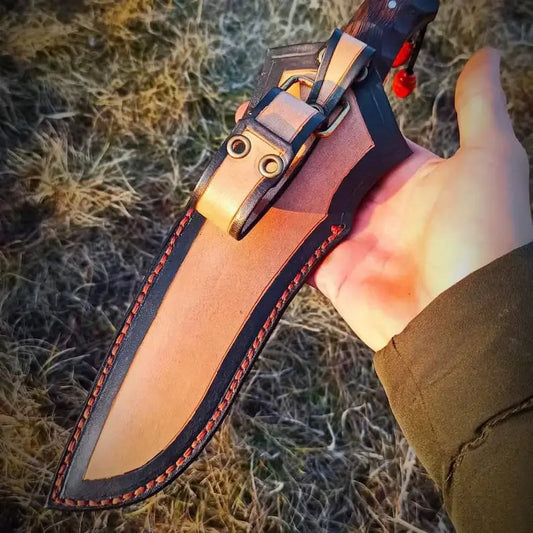
Leather Sheaths and Field Carry
Many Arham Cutlery fixed blades are paired with a leather sheath where specified.
A sheath protects the cutting edge during storage and provides a practical carry option.
Check each product listing because belt loops, retention, orientation, and sheath construction can vary.
A knife should be cleaned and dried before being stored inside leather for extended periods.
Custom Knives and Handmade Character
Buyers looking for custom knives often value individual materials, natural handles, forged patterns, handcrafted sheaths, and designs that feel less standardized than mass-produced blades.
Arham Cutlery offers custom knives across multiple hunting-oriented styles, from compact skinners to Bowie, gut hook, tracker, bushcraft, Damascus, and D2 designs.
For some buyers, craftsmanship and natural material variation are part of the attraction.
For others, blade geometry and field practicality matter most.
The strongest choice balances both.
Choosing a Knife for the Hunt
Before the hunt, think about the jobs the knife may actually need to perform.
If you expect mostly controlled skinning work, a dedicated skinner may make sense.
If you prefer one versatile general-purpose field blade, a medium fixed blade may be more practical.
If you want a specialized opening feature, compare gut hooks.
If you prefer a larger traditional knife, look at Bowie profiles.
If bushcraft and survival tasks matter as much as game preparation, compare broader outdoor blade designs.
The best choice is the knife that matches your own field routine.
How to Choose the Right Handmade Hunting Knife
Start with intended use, then compare:
blade profile, steel, blade length, edge geometry, tang construction, handle material, grip security, balance, sheath style, overall dimensions, and maintenance requirements.
Do not choose only by pattern, steel name, or blade size.
A good knife should feel like a complete system in which the blade, handle, construction, and sheath all make sense together.
Why Arham Cutlery Offers Different Hunting Knife Styles
One buyer may want Damascus with ram horn.
Another may prefer D2 and Micarta.
A collector may choose bone, stag, or rosewood.
A hunter may prioritize a skinning profile, while a bushcraft user may want a broader fixed blade.
That variety is the purpose of the Arham Field Knife Standard: giving buyers different steels, blade profiles, handle materials, sizes, and carry styles so they can choose handmade hunting knives according to their actual outdoor needs.
The live collection currently includes Damascus hunting, skinning and bushcraft designs such as Ramhorn Trailcrest, Boneforge Doublecrest, Rosewood Curvecrest and Bone Upsweep, so the product examples above match the current assortment.
FAQs
What are the best handmade hunting knives?
The best handmade hunting knife depends on the task. Compare blade profile, steel, edge geometry, handle grip, tang construction, size, and sheath before choosing.
What is the average price for a handmade knife?
Handmade knife prices vary widely based on steel, blade size, handle material, construction, sheath, and craftsmanship. Price alone does not determine quality.
What steel is best for a handmade hunting knife?
Damascus, D2, high-carbon, and stainless steels each offer different advantages. The right choice depends on edge retention, corrosion resistance, sharpening preference, and intended use.
What size hunting knife should I choose?
Choose a blade that gives enough cutting edge without becoming difficult to control or carry. Always compare blade length, handle length, overall size, and weight where listed.
Should a hunting knife have a full tang?
Full tang construction is popular for substantial fixed blades because the steel continues through the handle. Overall strength still depends on steel, heat treatment, handle construction, and workmanship.
Let customers speak for us
from 1419 reviewsExcellent knife, great craftsmanship love the colors. Great customer service.
Great knife, fits good in hand, leather sheath is perfect addition to complete the package.
i’ve never gotten more compliments on a knife.
the craftsmanship put into this knife is amazing.
buy one… i promise you wont regret it.
If you're looking for a handcrafted Damascus carving knife and fork set with beautiful camel bone handles, razor-sharp performance, and premium craftsmanship, this is an outstanding choice.
The craftsmanship is outstanding, and the Damascus blade performs just as well as it looks. I'm extremely satisfied.
The camel bone handles have unique natural patterns that make this set stand out from ordinary carving knives.
If you're looking for a handcrafted Damascus EDC hunting knife with a genuine stag handle, razor-sharp blade, excellent balance, and a quality leather sheath, this is an outstanding choice.
If you're looking for a handcrafted Damascus Kukri with a beautiful rosewood handle, excellent balance, and a durable leather sheath, this knife is an outstanding choice.
If you're looking for a handcrafted Viking axe with a forged carbon steel head, premium rosewood handle, and authentic design, this is an outstanding choice.
I'm extremely impressed with the quality, balance, and authentic appearance. It looks even better in person.
The finish, handle, and forged head all come together perfectly. This is a premium handcrafted piece.
The classic bearded axe design looks amazing. It's a beautiful addition to any medieval or Viking collection.
I purchased this as a birthday gift for my brother, and he couldn't stop talking about the quality.
The axe feels durable and expertly crafted. Every detail reflects quality workmanship.
The forged texture gives the axe an authentic historical appearance. It's easily the highlight of my collection.