What Is a Gut Hook Knife?
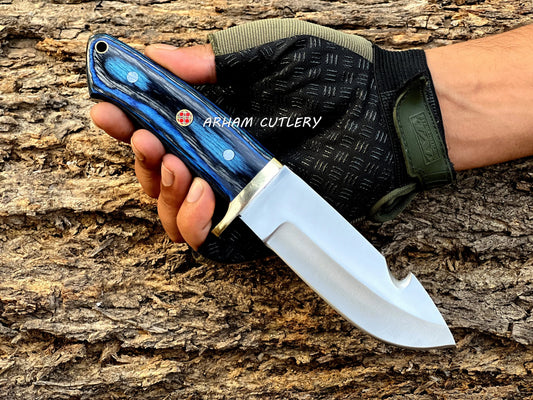
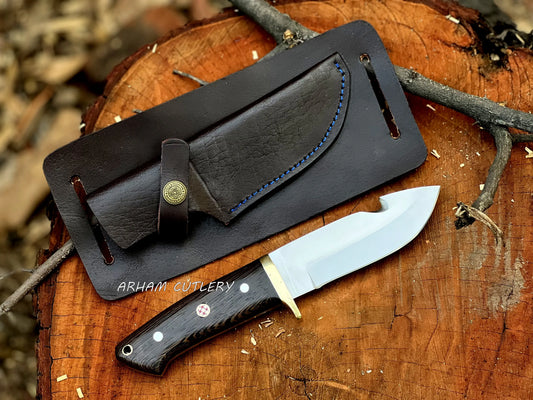
A gut hook knife is a hunting knife with a curved hook positioned near the spine of the blade on applicable designs. The hook gives hunters an additional controlled cutting feature while the main cutting edge remains available for skinning and other field tasks.
At Arham Cutlery, our Gut Hook Knives collection includes handmade Damascus and D2 fixed blades designed for hunters, outdoor users, and collectors who prefer a dedicated gut hook hunting knife rather than a conventional plain-edge hunting blade.
If you are comparing different field-blade styles, our Handmade Hunting Knives collection provides a broader range of hunting profiles.
The Arham Field Dressing Control Standard
A useful gut hook knife should not be judged by the hook alone.
At Arham Cutlery, we consider hook shape, main blade profile, steel, edge geometry, handle grip, blade length, construction, balance, and sheath design.
We call this the Arham Field Dressing Control Standard.
The purpose is to combine a functional hook with a dependable main blade so the knife remains useful for more than one field task.
What Does a Gut Hook Do?
A gut hook provides a small curved cutting section separate from the primary cutting edge.
On a hunting knife, this design can help support controlled opening cuts during field dressing when used appropriately. The main blade can then handle the broader cutting and skinning work for which the knife was designed.
Not every hunter prefers a gut hook. Some prefer a conventional drop-point or skinner, while others appreciate having the additional hooked cutting area built into the same knife.
If skinning is your main priority, compare the dedicated designs in our Skinning Knives collection.
Gut Hook Knife vs. Standard Hunting Knife
A conventional hunting knife relies entirely on its main cutting edge and point.
A gut hook hunting knife adds another cutting feature along the spine while retaining the normal blade edge.
That means the choice is less about which design is universally better and more about how you prefer to organize your field gear.
Some hunters prefer one knife with multiple functions. Others prefer separate knives for field dressing and skinning.
Our guide on how to choose the right hunting knife can help explain how blade profile, size, handle, and intended task affect the choice.
Damascus Gut Hook Knives
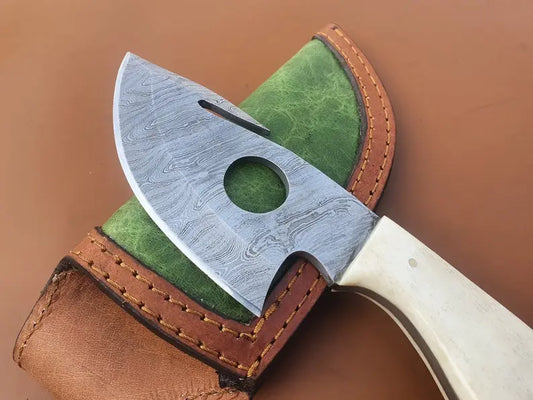
A Damascus gut hook knife combines the distinctive appearance of patterned steel with a specialized hunting profile.
Damascus patterns give each knife strong visual character, but pattern alone should not be used to judge performance.
Steel composition, heat treatment, blade thickness, edge geometry, and craftsmanship all affect how a hunting knife performs.
For buyers who specifically prefer patterned hunting blades, the Damascus Hunting Knives collection provides additional fixed-blade options.
Damascus Gut Hook Knife with Stag Handle
Natural handle materials can give a field knife a more traditional hunting appearance.
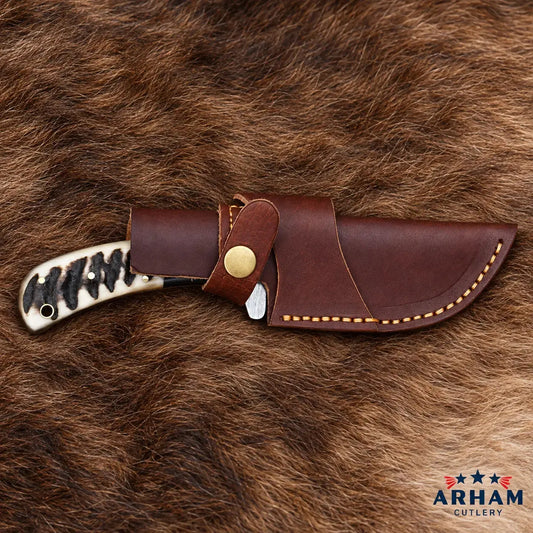
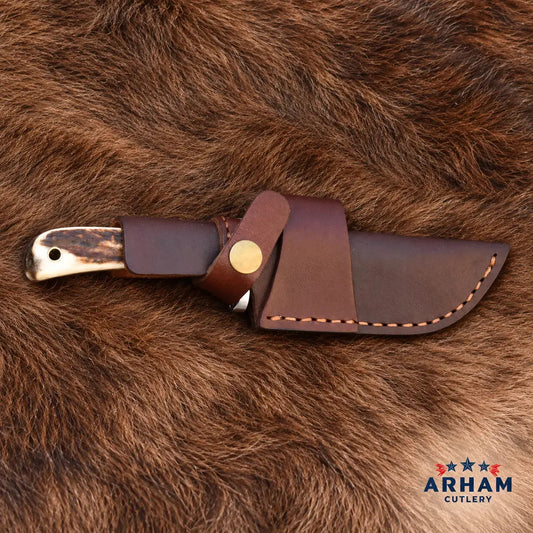
The Damascus Gut Hook Skinning Knife with Stag Handle is an example of a gut hook design that combines patterned steel with stag horn styling.
Stag can provide natural texture and visual variation, making it especially attractive to buyers who appreciate traditional hunting knife materials.
Because natural handle materials vary, small differences in color and texture should be expected between individual knives.
Stacked Leather Gut Hook Handles
Stacked leather creates a very different grip and appearance from horn, wood, or Micarta.
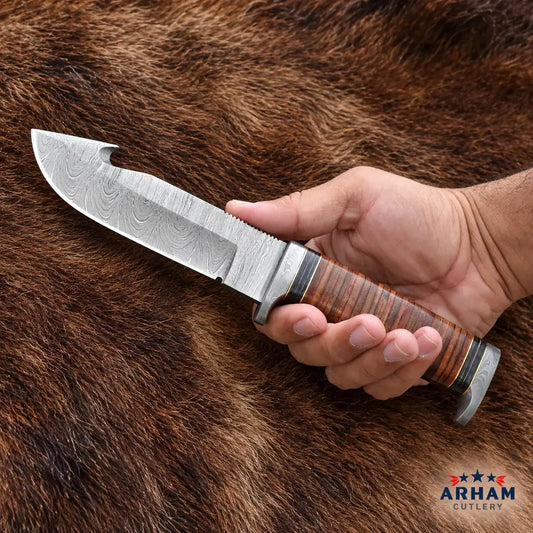
The Damascus Gut Hook Skinning Knife with Stacked Leather Handle offers a traditional field-knife look while giving buyers another handle style to compare.
When choosing a handle, do not focus only on material.
Consider handle length, contour, grip security, balance, and the conditions in which the knife will be used.
Rosewood Gut Hook Knives
Wood remains a popular choice for handmade hunting knives because natural grain works well with both polished and patterned blades.
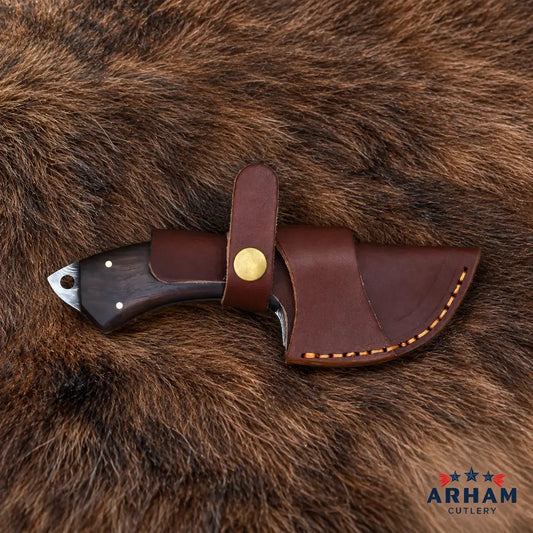
The Damascus Gut Hook Skinning Knife with Rosewood Handle combines a traditional wood handle with a dedicated gut-hook blade profile.
Rosewood offers warm coloration and visible grain, giving the knife a classic handmade appearance.
As with other natural materials, avoid leaving wood handles wet for extended periods.
D2 Gut Hook Hunting Knives
D2 steel is another option for hunters who place a high priority on wear resistance and edge retention.
A properly heat-treated D2 blade can hold a working edge well, although it still benefits from normal cleaning and corrosion care.
Buyers interested specifically in this steel can explore our D2 Hunting Knives collection.
For a deeper look at the steel itself, read our guide on why D2 steel hunting knives are popular with outdoorsmen.
Choosing the Right Blade Size
Gut hook knives come in different lengths and proportions.
A compact blade can offer precise control and easier carry.
A longer hunting knife provides more working edge and may suit users who prefer a larger field blade.
Before ordering, compare:
overall length, blade length, handle length, blade thickness, hook size, and weight where listed.
Product photography is useful, but measurements provide a better idea of how large the knife will actually feel in your hand and on your belt.
Why Handle Grip Matters During Field Use
A hunting knife is often used in conditions very different from a kitchen knife.
Handle shape and grip security therefore deserve serious consideration.
Micarta can appeal to users who prefer a practical synthetic material.
Rosewood and pakkawood provide traditional wood styling.
Stag horn adds natural texture and classic hunting character.
Stacked leather creates another traditional field-knife option.
No single material is automatically best. Choose according to grip preference, weather exposure, maintenance requirements, and the overall size of your hand.
Leather Sheaths for Gut Hook Knives
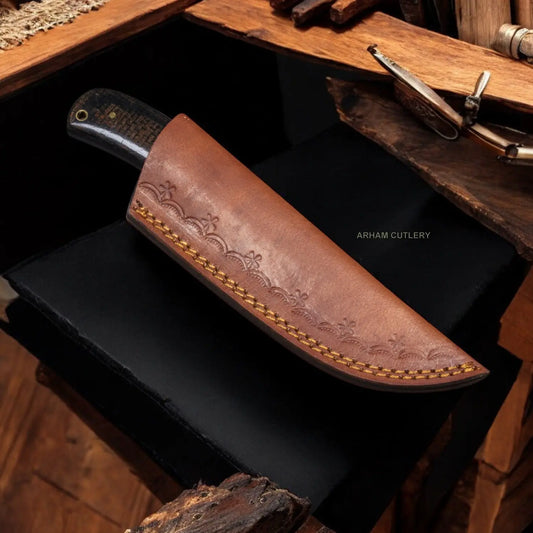
Many Arham Cutlery gut hook designs include a leather sheath.
A sheath helps protect the cutting edge and makes a fixed-blade hunting knife easier to carry and organize.
Check each individual listing because sheath shape and carry configuration may vary between models.
A leather sheath should also be kept dry. Avoid storing a wet or dirty blade inside leather for long periods.
Clean Field Dressing Starts With Control
For clean field dressing, control is generally more important than simply using the largest or sharpest-looking knife.
A suitable hunting knife should allow the user to work deliberately while maintaining a secure grip.
Blade profile, hook geometry, handle shape, edge condition, and overall knife size all influence that control.
The dedicated gut hook is one component of the design, but it should work together with the main blade rather than replace proper knife selection and careful handling.
Gut Hook Knives for Skinning
Many gut hook knives also use a curved or broad main edge suited to controlled skinning work.
This overlap makes them useful for buyers who prefer carrying one field knife rather than several specialized blades.
However, hunters who place skinning above every other task may still prefer a dedicated skinner with a blade profile designed specifically around a broad working edge.
That is why it is worth comparing a gut hook knife with the options in the Skinning Knives collection before deciding.
Gut Hook Knives for Collectors
Not every buyer chooses a gut hook knife purely for field use.
The distinctive hook, Damascus pattern, natural handle materials, brass or steel fittings, and handmade leather sheaths can also make these knives interesting collector pieces.
A stag-horn Damascus knife may appeal to someone who prefers traditional hunting aesthetics, while Micarta or pakkawood designs may provide a more contemporary look.
Collectors should compare both specifications and photographs because natural materials and Damascus patterns can vary from one knife to another.
How to Choose a Gut Hook Hunting Knife
Start with the type of hunting and outdoor work you expect the knife to handle.
Then compare:
steel type, hook shape, blade length, main edge profile, handle material, grip shape, tang construction, overall dimensions, and leather sheath design.
Choose Damascus when patterned steel and handmade appearance are priorities.
Consider D2 when wear resistance and edge retention are important.
Choose handle material based on grip comfort and maintenance rather than appearance alone.
Most importantly, choose a gut hook knife whose size and geometry suit your actual field needs.
Why Arham Cutlery Offers Different Gut Hook Designs
Hunters do not all use the same equipment in the same way.
One buyer may prefer a Damascus gut hook knife with stag horn.
Another may want rosewood or stacked leather.
Another may prefer the performance characteristics of D2 steel or a modern synthetic handle.
That variety is the purpose of the Arham Field Dressing Control Standard: combining hook geometry, blade profile, steel, handle comfort, and carry options so buyers can choose a gut hook hunting knife around their own requirements rather than one generic design.