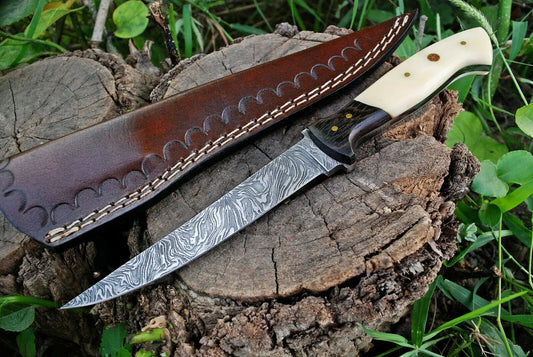
Kategorie: Fillet Knife

Handmade Fillet Knives for Fish, Kitchen & Outdoor Prep

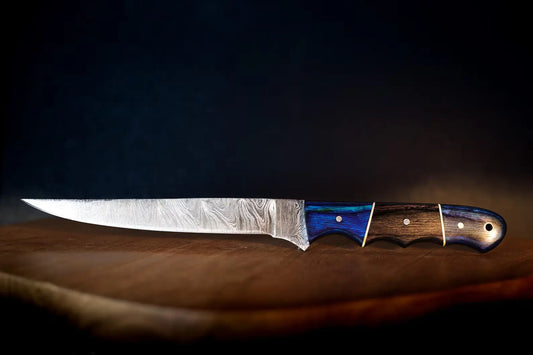
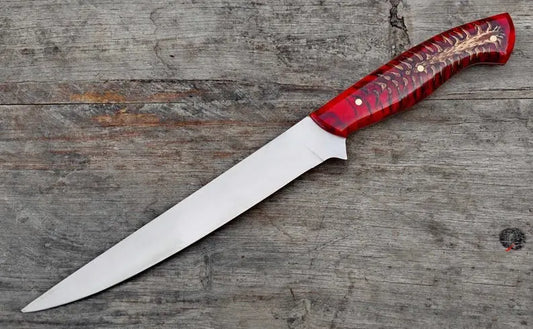
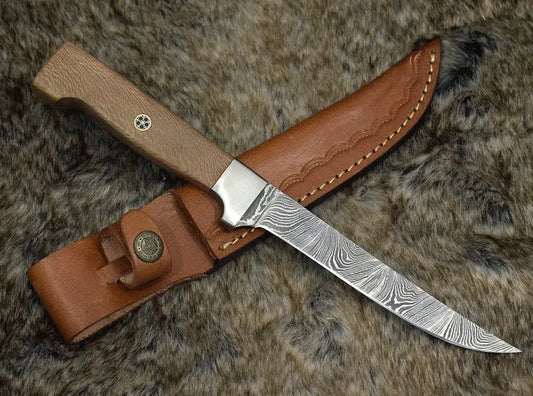
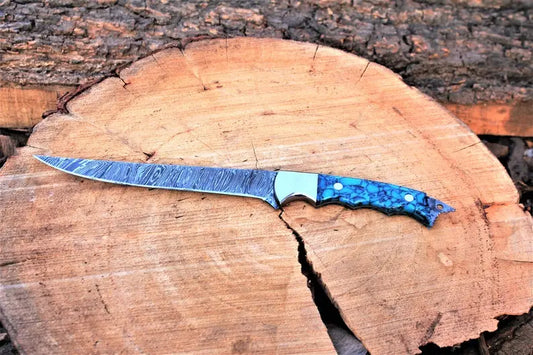
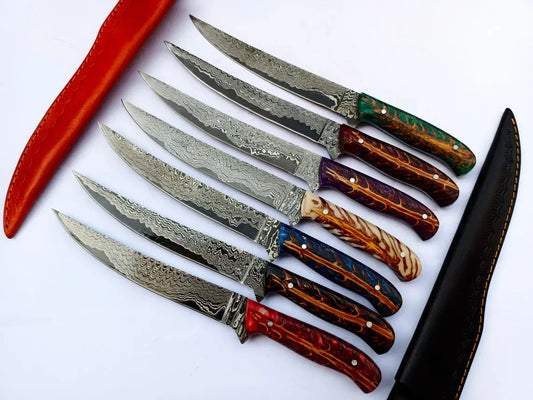
Explore Fillet Knives by Arham Cutlery, handcrafted for precise fish preparation, trimming, deboning, slicing, and controlled kitchen work. This collection includes flexible Damascus fillet knives, carbon steel fishing knives, and handmade fixed-blade designs with wood, bone, and other distinctive handle materials.

Whether you are preparing fresh fish at home or looking for a dedicated fishing knife for outdoor use, compare blade length, flexibility, steel type, handle comfort, and sheath style before choosing. For broader culinary options, explore our Kitchen Knives collection, or compare coordinated chef sets in the Damascus Knife Sets collection.

What Is a Fillet Knife?

A fillet knife is a narrow, controlled cutting knife designed primarily for preparing fish, trimming meat, removing skin, and making precise slicing cuts. Compared with a chef’s knife or cleaver, a fillet knife usually has a slimmer blade profile and may offer additional flexibility depending on the model.

At Arham Cutlery, our Fillet Knife collection includes handmade Damascus, D2, and other fixed-blade designs for kitchen preparation, fishing, outdoor use, and collectors.

For buyers who want a broader selection of culinary blades, the Kitchen Knives collection is a natural place to compare fillet knives with chef knives, utility knives, and other food-preparation tools.

The Arham Fillet Control Standard

A good fillet knife should provide more than a sharp edge.

At Arham Cutlery, we look at blade length, flexibility, edge control, steel, handle comfort, balance, construction, and intended use.

We call this the Arham Fillet Control Standard.

The purpose is simple: a fillet knife should allow controlled cuts around fish, meat, and delicate ingredients without feeling unnecessarily bulky in the hand.

Why Blade Flexibility Matters

Blade flexibility can be especially useful when working around fish bones, skin, and curved surfaces.

A more flexible blade can follow contours during filleting, while a slightly firmer fillet knife may provide additional control for trimming meat or general kitchen slicing.

Not every fillet knife has the same flexibility, so buyers should check the individual product specifications rather than assuming every blade will bend the same way.

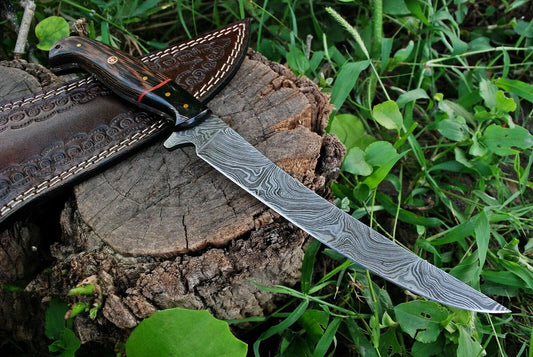
The 13-inch Handmade Damascus Flexible Fillet Knife is one example of a longer Damascus design intended for fish, meat, and kitchen preparation.

Choosing the Right Fillet Knife Length

Blade length affects both reach and control.

A shorter fillet knife can feel easier to manage when working with smaller fish or making detailed cuts.

A longer blade can be useful for larger fish, longer slicing motions, and broader food-preparation tasks.

Before choosing, compare:

overall length, blade length, handle length, blade thickness, flexibility, and intended use.

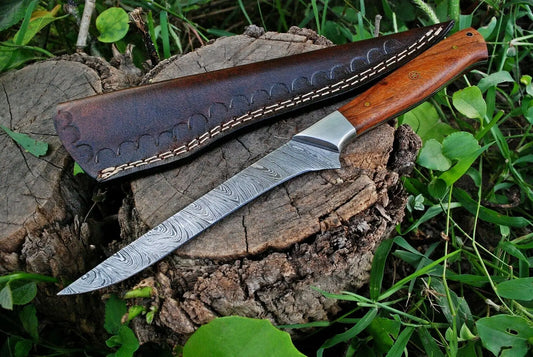
For example, the 11-inch Damascus Fillet Knife with Rosewood Handle provides a more compact option than some of the longer 13-inch designs.

Damascus Fillet Knives

A Damascus fillet knife combines a distinctive patterned blade with a narrow cutting profile.

Damascus appeals to buyers who appreciate handmade character and visible steel patterning, but appearance alone should not determine the choice.

Steel composition, heat treatment, edge geometry, blade flexibility, and construction are all important.

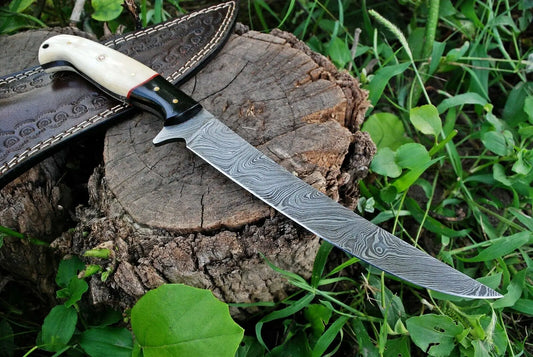
The Damascus Fillet Knife with Buffalo Horn and Rosewood Handle is one example that combines Damascus steel with natural handle materials and a leather sheath.

D2 Fillet Knives

D2 steel can appeal to buyers who value wear resistance and edge retention.

It is commonly chosen for working knives because it can hold an edge well when properly heat treated, although normal maintenance is still important.

Arham Cutlery also offers a Handmade D2 Steel Fishing Fillet Knife with a rosewood handle and leather sheath.

The best steel is not simply the one with the strongest reputation.

Choose based on edge retention, sharpening preference, corrosion care, blade geometry, and the environment where the knife will be used.

Fillet Knife vs. Chef’s Knife

A chef’s knife is designed as a versatile kitchen workhorse.

It handles chopping, slicing, dicing, herbs, vegetables, meat, and general food preparation.

A fillet knife is more specialized.

Its narrower profile makes it better suited to controlled slicing, fish preparation, trimming, and working around delicate cuts.

Buyers who want multiple kitchen blade types together can compare the Damascus Knife Sets collection, where some sets combine chef knives, fillet knives, cleavers, and smaller utility blades.

Fillet Knife vs. Cleaver

A cleaver and fillet knife serve very different purposes.

A cleaver usually has a broad blade and is better suited to chopping, meat preparation, vegetables, or heavier kitchen work depending on the specific design.

A fillet knife prioritizes precision and controlled slicing.

If your kitchen needs a heavier broad-blade option as well, explore the Cleaver Knives collection.

Fillet Knives for Fishing and Outdoor Use

Fillet knives are not limited to indoor kitchens.

Anglers may use them for cleaning and preparing fish at camp, on fishing trips, or after returning from the water.

For outdoor use, pay particular attention to:

handle grip, blade length, steel maintenance, sheath quality, and how easily the knife can be cleaned and dried.

Some buyers may also want to compare a fillet knife with the more general fixed blades in our Handmade Hunting Knives collection.

A hunting knife and fillet knife can both be useful outdoors, but their blade profiles and intended cutting tasks are different.

Handle Materials for Fillet Knives

Handle comfort becomes especially important when making controlled cuts.

Arham Cutlery fillet knives may use materials such as rosewood, buffalo horn, bone, resin, leatherwood, and other handcrafted handle combinations depending on the model.

Rosewood Handles

Rosewood offers warm natural grain and a traditional handmade appearance.

Horn and Bone

Buffalo horn and bone can give a fillet knife additional visual character while preserving a traditional fixed-blade style.

Resin Handles

Resin-based handles can introduce brighter colors and more modern patterns.

No handle material is automatically best.

The important factors are shape, grip comfort, size, stability, and how the knife will be used.

Leather Sheaths and Storage

Many fixed-blade fillet knives come with a leather sheath.

A sheath protects the cutting edge and makes the knife easier to carry or organize.

However, a wet blade should not be left inside leather for long periods because leather can retain moisture against the steel.

For broader knife-storage advice, read our guide on how to store Damascus knives and protect their edges.

Caring for a Fillet Knife

A fillet knife should be cleaned after food preparation and dried immediately.

Avoid leaving handmade knives soaking in water and do not assume they are dishwasher safe.

Damascus and other corrosion-sensitive steels may benefit from a light coating of food-safe oil during longer storage.

Handle materials such as wood, horn, and bone should also be protected from prolonged moisture.

If the knife begins losing cutting performance, it helps to understand the difference between honing and sharpening.

Avoiding Common Kitchen Knife Damage

Even a good fillet knife can be damaged by poor habits.

Hard glass or ceramic cutting boards, improper storage, leaving blades wet, or using a thin fillet blade for tasks it was not designed to perform can shorten edge life or damage the knife.

Our guide to common mistakes that damage kitchen knives covers these issues in more detail.

Fillet Knives in Complete Kitchen Sets

Some buyers prefer purchasing one dedicated fillet knife.

Others prefer a coordinated set containing several kitchen blades.

A multi-piece set can make sense when you also need a chef’s knife, cleaver, bread knife, or paring knife.

The 5-Piece Handmade Damascus Chef Knife Set includes a fillet knife alongside several other essential culinary blades.

How to Choose the Right Fillet Knife

Start with the fish, meat, or food you expect to prepare most often.

For smaller fish and detailed work, a shorter blade may provide easier control.

For larger fish or longer slicing cuts, additional blade length may be useful.

Then compare:

blade length, flexibility, steel type, edge geometry, handle material, overall balance, sheath, and maintenance requirements.

A fillet knife should not be chosen only because it looks sharp or decorative.

The right knife should feel suited to the actual cutting work you expect it to perform.

Why Arham Cutlery Offers Different Fillet Knife Styles

Not every cook, angler, or collector wants the same fillet knife.

One buyer may prefer a long flexible Damascus blade.

Another may want a D2 fishing knife.

Another may prefer natural rosewood, horn, bone, or resin handles.

That variety is the purpose of the Arham Fillet Control Standard: combining appropriate blade length, steel, flexibility, handle comfort, and carry style so buyers can choose a fillet knife around real use rather than one generic design.

FAQs

What is the best knife for filleting fish?


A narrow, sharp fillet knife with the right amount of flexibility is usually best for fish. Blade length should match the size of fish you prepare most often.

What is the best knife for cutting fish fillet?


A dedicated fillet knife is usually the best choice because its slim blade allows controlled slicing close to skin and bones.

What type of knife is best for filleting beef?


For trimming and separating meat, a narrow boning or fillet-style knife can provide good control. A slightly firmer blade is often more suitable than a highly flexible fish fillet knife.

Should a fillet knife be flexible?


Some flexibility helps the blade follow the contours of fish, but the ideal amount depends on the task. Firmer blades can offer more control for meat trimming and general kitchen prep.

What size fillet knife should I choose?


Choose blade length based on the size of fish or meat you usually prepare. Shorter blades offer more control, while longer blades are useful for larger fish and longer slicing cuts.