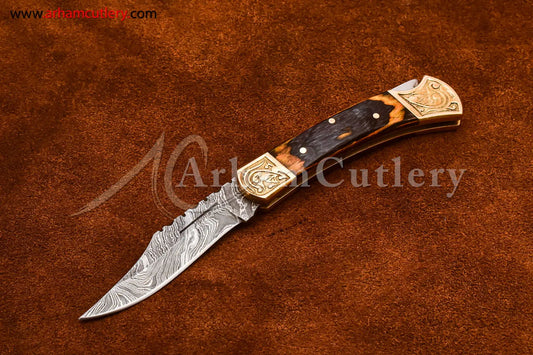
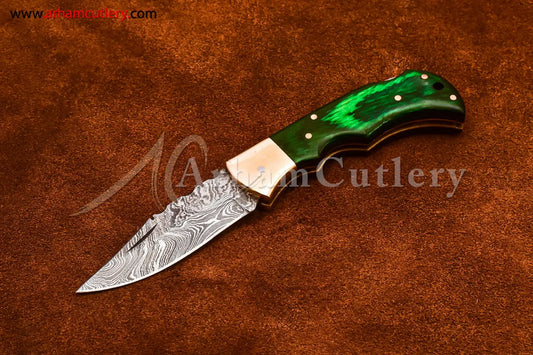
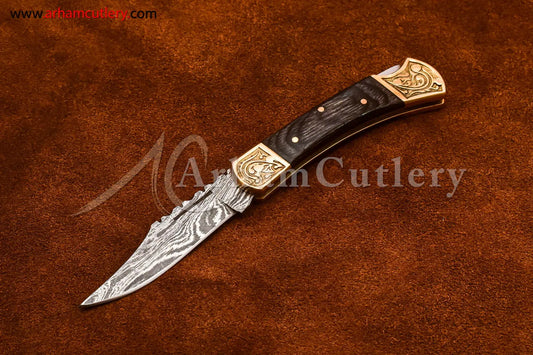
Collection: Folding Pocket Knives

Handmade Folding Pocket Knives for EDC & Outdoor Carry

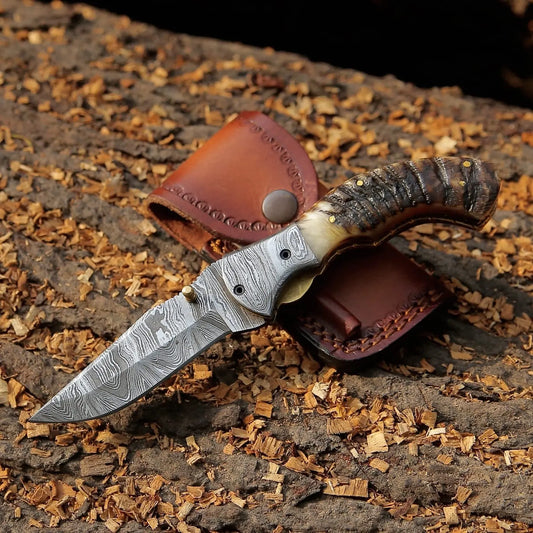
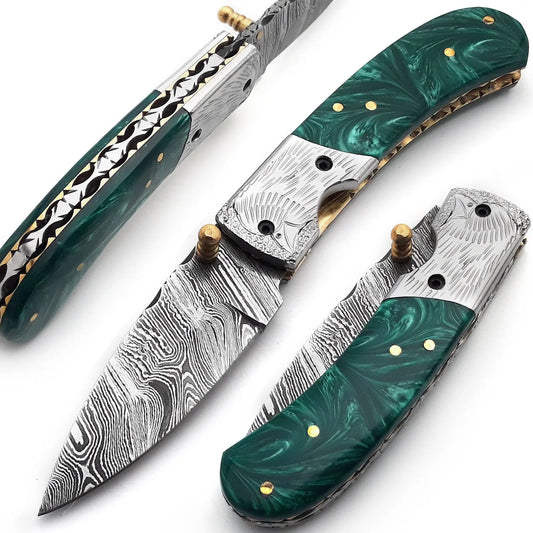
Explore Folding Pocket Knives by Arham Cutlery, handcrafted for everyday carry, outdoor use, collectors, ranch work, and knife enthusiasts. This collection includes Damascus folding knives, D2 and stainless steel pocket knives, hawkbill designs, and compact EDC folders with sharp blade profiles, ergonomic handles, and secure locking mechanisms depending on the model.

Built as practical and versatile tools, these knives are available with wood, bone, horn, resin, Micarta, and titanium components or finishes where specified. Compare blade shape, steel type, handle material, overall size, lock style, and intended use before choosing. For more everyday-carry options, explore our EDC Knives collection, or compare compact fixed-blade carry styles in the Belt Knives collection.

What Is a Folding Pocket Knife?

A folding pocket knife has a blade that folds into the handle, creating a compact design for storage, everyday carry, outdoor use, work, and collecting. Unlike a fixed-blade knife, a folder uses a pivot and folding mechanism that allows the blade to close when it is not being used.

At Arham Cutlery, our Folding Pocket Knives collection includes handmade Damascus folders, D2 pocket knives, stainless steel designs, hawkbill blades, natural-handle knives, resin-handle folders, and other handcrafted styles.

For buyers focused specifically on everyday carry, our EDC Knives collection provides another useful range to compare.

The Arham Pocket Carry Standard

A good folding knife should not be judged only by how decorative the blade or handle looks.

At Arham Cutlery, we consider blade size, steel, edge geometry, handle comfort, folding action, locking mechanism where applicable, overall dimensions, and intended use.

We call this the Arham Pocket Carry Standard.

The idea is simple: folding knives should combine useful cutting performance with a compact format that makes sense for the person carrying or collecting them.

Folding Knives vs. Fixed-Blade Knives

The main difference is construction.

A folding knife stores its blade inside the handle, making the overall package shorter when closed. A fixed-blade knife has no folding pivot and is normally carried in a sheath.

Folders can make convenient pocket knives and compact EDC tools, while fixed blades may appeal to users who prefer simple construction and full-size handles.

If sheath-based carry is more suitable for your routine, compare our Belt Knives collection.

Neither design is automatically better. The right choice depends on size, carry preference, intended tasks, and local knife laws.

Damascus Folding Pocket Knives

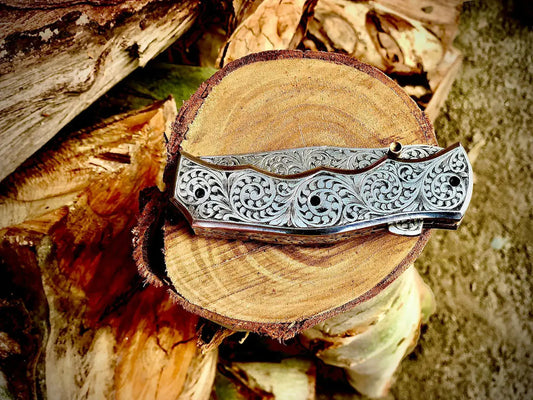
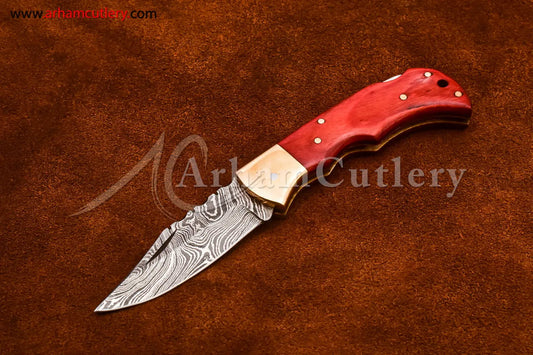
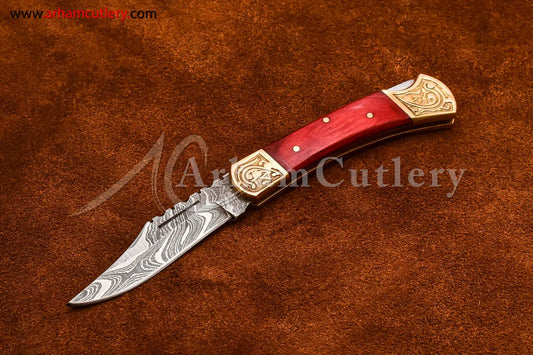
Damascus folding knives are popular with buyers who appreciate visible steel patterns and handcrafted character.

A Damascus pattern can make each folder visually distinctive, but pattern alone does not determine cutting performance. Steel composition, heat treatment, edge geometry, blade thickness, and construction also matter.

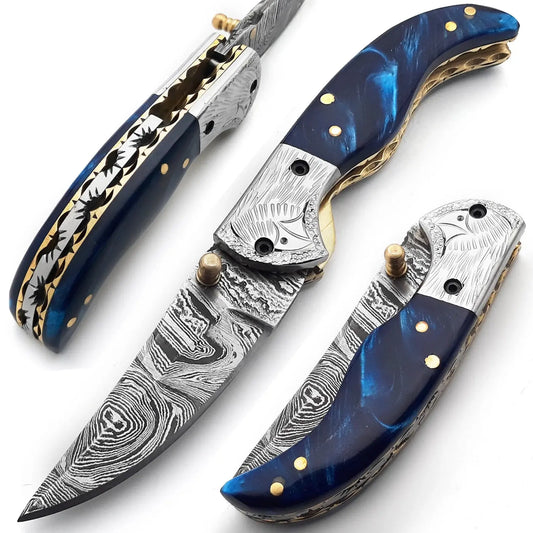
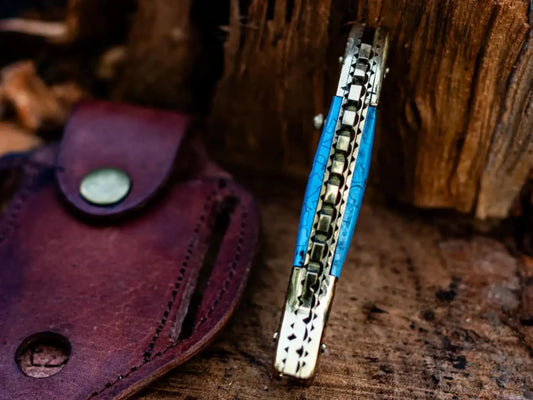
The Azure Talon Damascus Hawkbill Folding Knife combines a curved hawkbill-style Damascus blade with a resin handle, providing an example of a more colorful handcrafted folder.

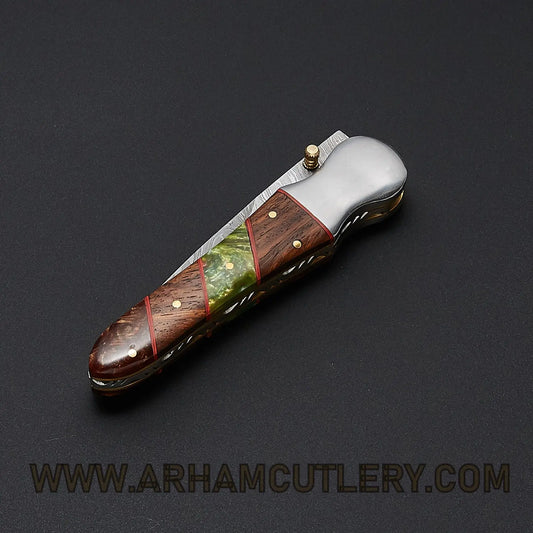
For a more traditional natural-material look, the Greenstag Trail Damascus Folding Knife combines Damascus steel with stag horn and wood.

D2 Folding Knives

D2 is a tool steel commonly chosen for working knives where wear resistance and edge retention are important.

As with any steel, actual performance also depends on heat treatment, blade geometry, and sharpening.

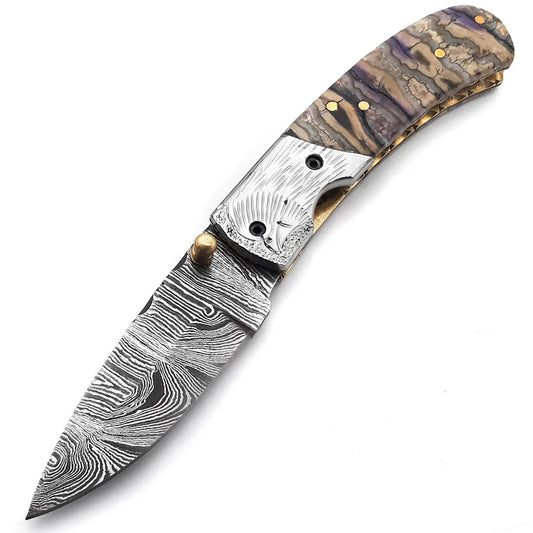
The Ivory Talon D2 Steel Hawkbill Folding Knife provides an example of a D2 folding design with a curved hawkbill blade and bone handle.

D2 is more corrosion resistant than many simple carbon steels, but it should still be kept clean and dry rather than treated as maintenance-free.

What Is a Hawkbill Folding Knife?

A hawkbill blade curves downward toward the tip, creating a profile that is noticeably different from a conventional drop-point or clip-point pocket knife.

The curved cutting edge can provide strong material engagement during controlled pulling cuts, while the unusual profile also makes hawkbill folders attractive to collectors.

Arham Cutlery offers both Damascus and D2 hawkbill designs, allowing buyers to compare steel, handle material, pattern, and overall style.

When selecting one, focus on what you actually intend to cut rather than choosing the blade shape only for appearance.

Pocket Knives for Everyday Carry

A useful EDC folder should be compact enough for practical storage while still providing enough handle and blade for controlled cutting.

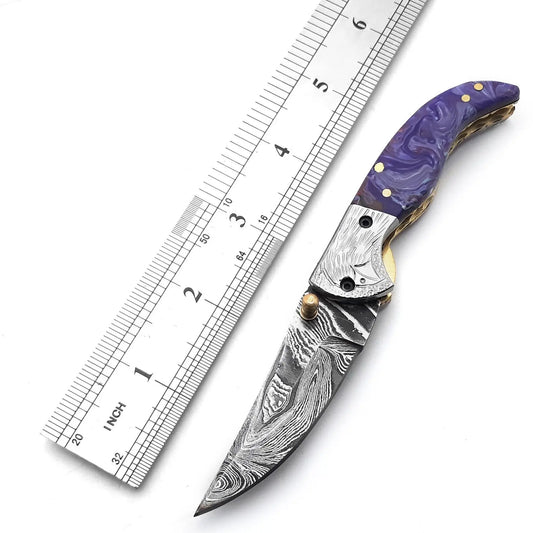
When comparing pocket knives, consider both open and closed dimensions.

A knife may look small in product photography but feel very different once actual blade length, handle length, thickness, and weight are considered.

For a broader selection of compact working designs, explore our EDC Knives collection.

Why Handle Ergonomics Matter

Ergonomic handles help a folding knife feel more secure and comfortable during controlled use.

Handle shape often matters more than decorative material alone.

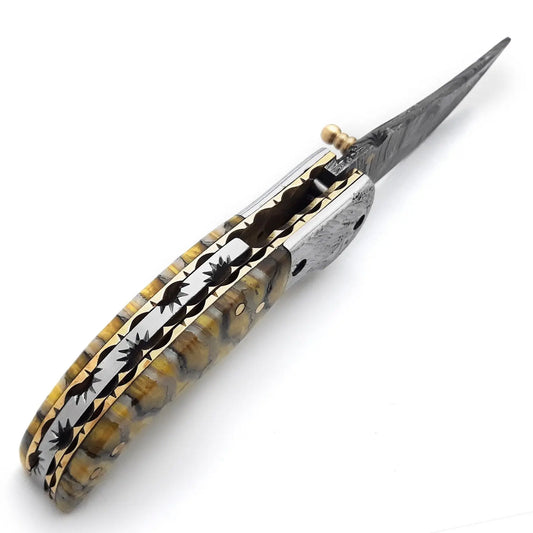
Wood, stag horn, bone, buffalo horn, resin, Micarta, and other materials can all create distinctive folding knife designs, but buyers should also consider handle length, contour, thickness, and how the knife sits in the hand.

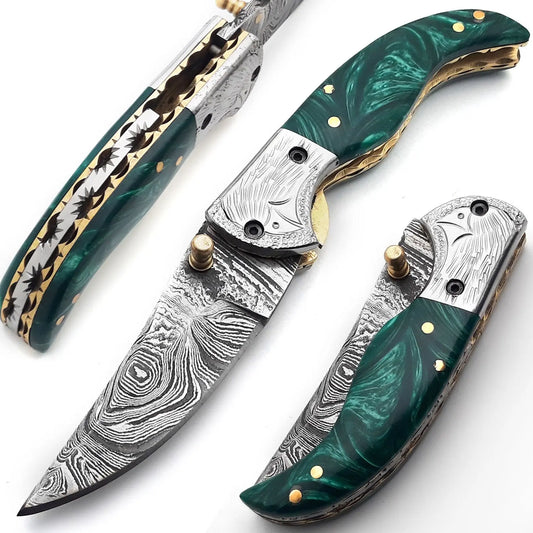
The Handmade Damascus Pocket Knife with Wood Resin Handle is an example of a folding knife that combines patterned Damascus steel with a more artistic handle treatment.

Natural Handle Materials

Natural materials give handmade folders a different character from mass-produced synthetic-handle pocket knives.

Stag horn and bone can show natural texture and variation.

Wood can provide warm grain and traditional styling.

Because these materials vary naturally, individual knives may not look completely identical even when they follow the same general design.

Natural handles should also be protected from prolonged moisture and excessive heat.

Resin and Modern Handle Designs

Resin allows makers to introduce stronger colors, patterns, and visual contrast.

It can be especially striking next to a patterned Damascus blade.

Buyers who want a more colorful folding knife may prefer resin or wood-resin combinations, while those who prefer traditional styling may lean toward bone, horn, or wood.

Neither approach is inherently better. It is mainly a matter of grip preference, appearance, maintenance, and intended use.

Understanding Locking Mechanisms

Different locking mechanisms are used in folding knives to manage the blade when it is open.

The exact mechanism can vary by model, so buyers should check the individual product description rather than assuming every folder operates in the same way.

A locking system should be treated as part of the knife's overall construction—not as a reason to ignore safe handling.

Always open and close a folding knife carefully and keep fingers clear of the blade path.

Choosing a Sharp Blade for Everyday Tasks

A sharp blade generally provides more controlled cutting than forcing a dull edge through material.

However, sharpness when new is only part of the equation.

Edge geometry, steel, heat treatment, cutting surface, maintenance, and sharpening habits all influence how well the knife continues to cut.

When performance begins to decline, understanding the difference between honing and sharpening can help you decide what type of edge maintenance is actually needed.

Folding Knives as Versatile Tools

Folding knives can be versatile tools because their compact construction allows different blade shapes and materials to be used in a relatively portable format.

Possible uses depend on the specific design and may include ordinary utility cutting, outdoor tasks, opening packaging, rope or cord work, collecting, and other lawful everyday purposes.

A folding pocket knife should still be used within the limitations of its size and blade geometry.

For demanding outdoor work, compare folders with the larger fixed blades in our Handmade Hunting Knives collection.

Folding Knives for Ranch and Western Style

Not every folding knife has to follow a modern tactical appearance.

Bone, stag, horn, wood, Damascus steel, and traditional blade profiles can create a strong Western or ranch-inspired character.

Buyers who appreciate that style may also want to explore our Cowboy Knives collection.

A folding knife offers the advantage of a compact closed format, while traditional Cowboy knives often emphasize fixed-blade construction and leather sheath carry.

Caring for a Damascus Folding Knife

A folding knife has more areas that require attention than a simple fixed blade because moisture and debris can collect around the pivot and handle.

Keep the blade clean and dry, particularly after exposure to moisture.

Damascus and other corrosion-sensitive steels may benefit from a light protective coating of appropriate knife oil during storage.

Do not leave a wet folding knife closed for long periods.

For additional storage guidance, read our guide on how to store Damascus knives and protect their edges.

Maintaining the Folding Mechanism

The pivot area should remain clean enough for the blade to open and close normally.

Avoid allowing dirt, food residue, moisture, or other debris to accumulate inside the handle.

Do not force a folding mechanism that feels unusually stiff or obstructed.

Different knife constructions may require different maintenance, so always consider the specific hardware and materials used on the individual model.

Choosing the Right Folding Pocket Knife

Start with how you expect to use and carry the knife.

For everyday carry, consider closed size, weight, blade length, and handle comfort.

For collecting, Damascus patterns, natural materials, resin designs, and unusual blade shapes may matter more.

For outdoor use, focus more heavily on steel, blade geometry, grip, construction, and maintenance.

Then compare blade steel, blade shape, sharpness, overall length, closed length, ergonomic handle design, locking mechanism where specified, and intended use.

The best folding knife is not simply the one with the most features.

It is the knife whose size, construction, materials, and blade profile fit what you actually want it to do.

Why Arham Cutlery Offers Different Folding Knife Styles

Different users want different things from their folding knives.

One buyer may want a compact Damascus pocket knife for everyday carry.

Another may prefer a D2 hawkbill.

Another may be drawn to stag horn, natural bone, colorful resin, or handcrafted wood.

That variety is the purpose of the Arham Pocket Carry Standard: bringing together blade steel, useful geometry, ergonomic handles, folding construction, and distinctive materials so buyers can choose a pocket knife around their own needs rather than one generic design.

FAQs

What is the best foldable pocket knife?


The best folding pocket knife depends on your use. Compare blade steel, size, handle comfort, locking mechanism, weight, and whether you want an EDC, outdoor, or collector-style knife.

Can I legally carry around a pocket knife?


Knife laws vary by country, state, province, and local jurisdiction. Rules may depend on blade length, locking type, concealed carry, and location, so check the laws where you live or travel.

What size folding pocket knife is best for EDC?


Choose a knife that is compact enough to carry comfortably but still provides enough blade and handle for your regular tasks. Check both open and closed dimensions before buying.

Which steel is best for a folding pocket knife?


Damascus, D2, stainless, and other steels each offer different advantages in edge retention, corrosion resistance, sharpening, and appearance. The best choice depends on your intended use and maintenance preference.

Are locking folding knives better than non-locking knives?


A locking mechanism can help keep the blade open during use, while non-locking designs may be simpler and lighter. The right option depends on intended use, design preference, and local laws.