What Is a Belt Knife?
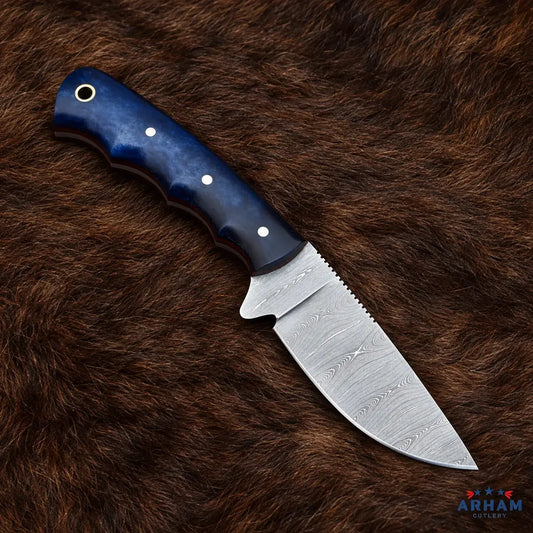
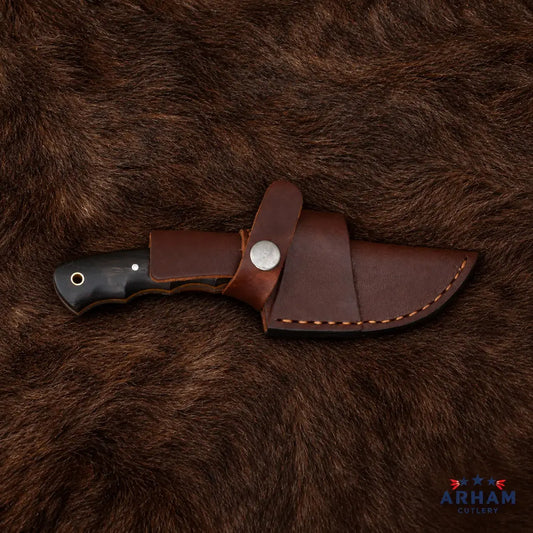
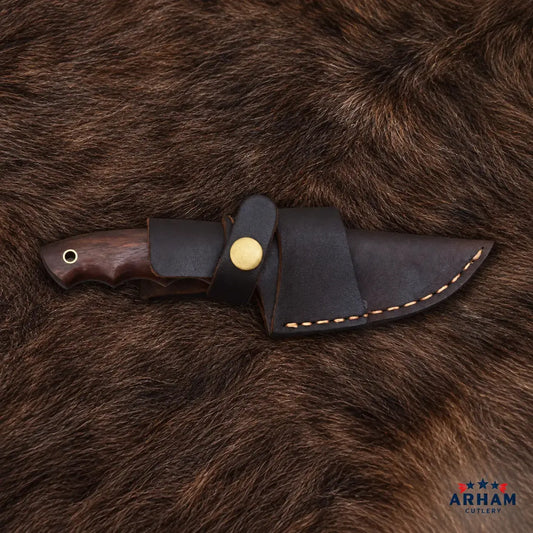
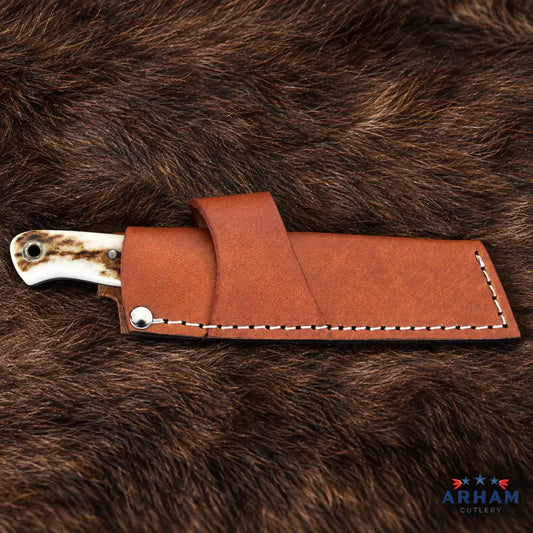
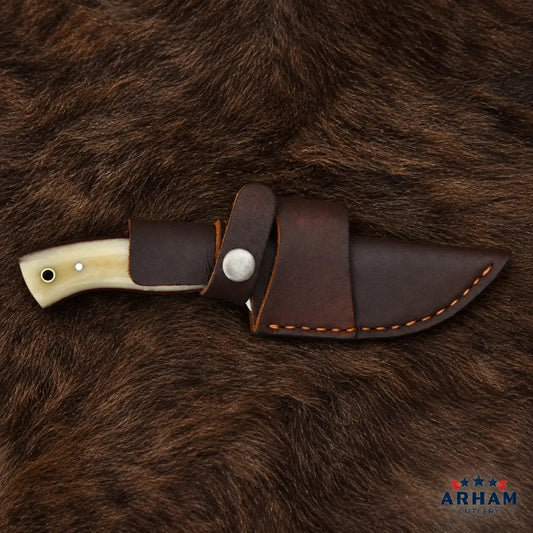
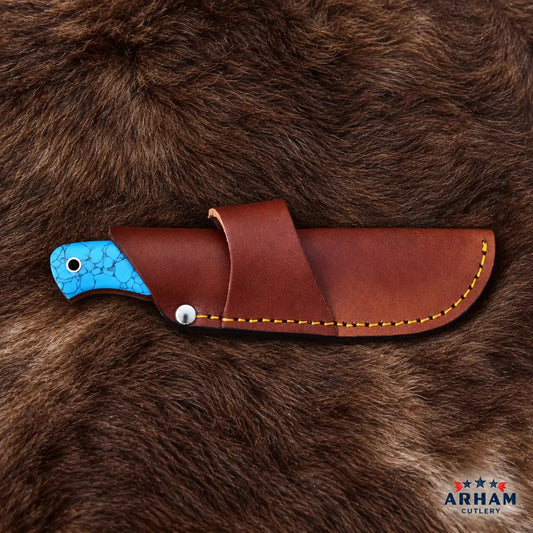
A belt knife is a fixed-blade knife designed to be carried in a sheath attached to the belt. Unlike a folding pocket knife, the blade does not fold into the handle, which gives the knife a simple, direct construction and makes it easy to access when needed.
The term describes the way the knife is carried, not one single blade shape. A belt knife can be a compact everyday fixed blade, a hunting knife, a skinning knife, a Western ranch knife, a Bowie-style blade, or a handcrafted Damascus knife.
That variety is exactly why Arham Cutlery treats Belt Knives as a broad working category rather than a single knife pattern.
Our collection brings together different blade profiles, steel types, handle materials, sizes, and leather sheath configurations so buyers can choose a belt-carried knife around the work they actually intend to do.
The Arham Belt-Carry Standard
At Arham Cutlery, we believe a good belt knife should be judged by more than how it looks in a sheath.
A practical belt knife needs four things to work together:
blade purpose, handle control, carry comfort, and sheath design.
We call this the Arham Belt-Carry Standard.
A Blade Designed for Its Job
There is no universal blade profile that works best for every belt knife.
A compact working knife may prioritize control. A skinning knife benefits from useful belly and edge access. A ranch knife may favor an all-purpose profile, while a larger Bowie-style knife offers more blade length for buyers who prefer a substantial outdoor fixed blade.
The first question should therefore be:
What do you actually want the knife to do?
A Handle You Can Control
A visually impressive handle means little if the knife is uncomfortable in the hand.
Arham Cutlery belt knives include handles made from materials such as wood, bone, horn, resin, Micarta, and other natural or modern materials depending on the model.
Handle shape, length, texture, finger placement, and balance should all be considered alongside appearance.
A Sheath That Makes Sense on the Belt
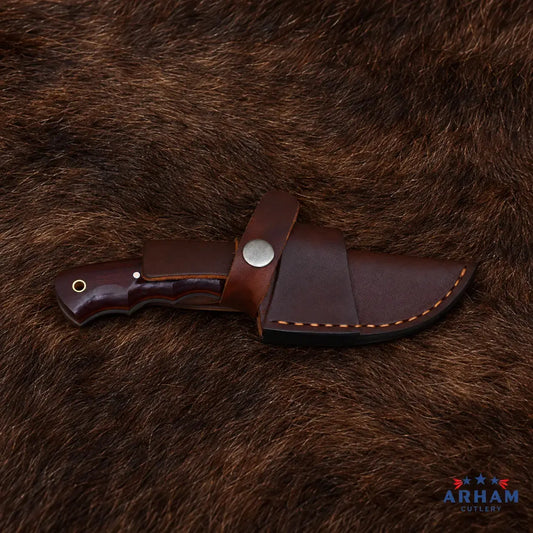
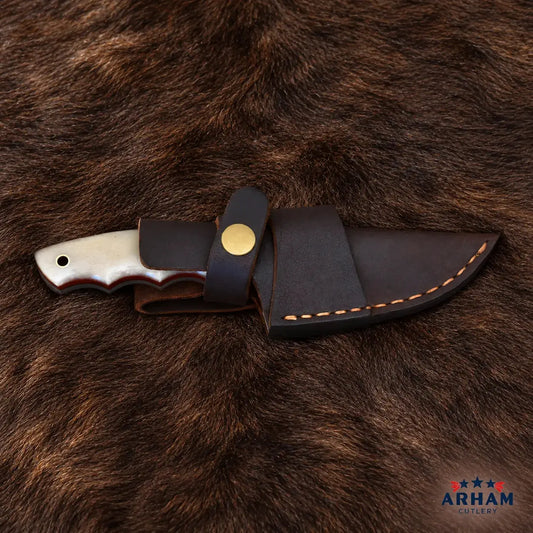
A fixed blade becomes a practical belt knife only when its sheath works with the size and shape of the knife.
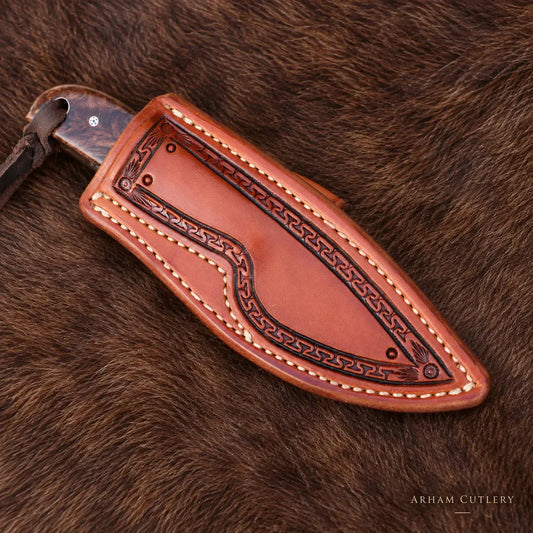
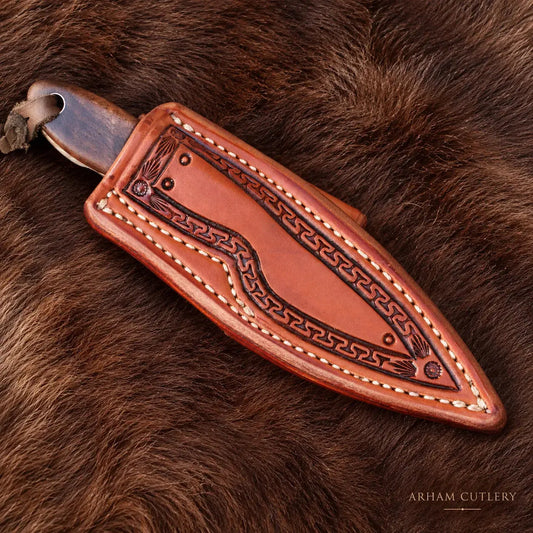
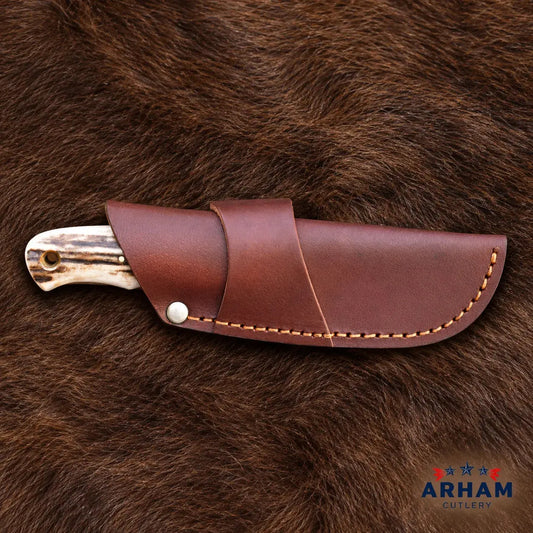
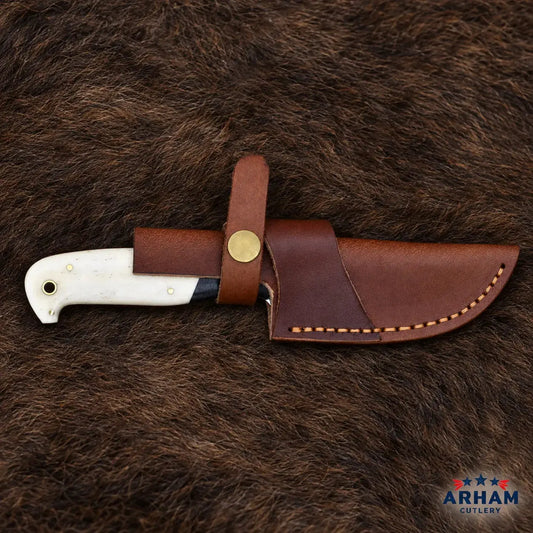
Depending on the individual model, belt-carry designs may use vertical, horizontal, pancake, or cross-draw-inspired leather sheath configurations.
Always check the individual product listing because sheath style and inclusion can vary from one knife to another.
Carry Comfort Matters
A large knife may offer more blade, but that does not automatically make it a better belt knife.
For regular carry, overall length, handle profile, blade weight, sheath position, and how closely the knife rides against the body can matter just as much as steel type.
The best belt knife is usually the one you are comfortable actually carrying.
Handmade Belt Knives: More Than One Style
One reason the Belt Knives collection is so broad is that belt carry works across several traditional knife categories.
Arham Cutlery currently brings together Western, hunting, skinning, rasp-file, Damascus, and compact fixed-blade designs under the same belt-carry concept.
Western and Cowboy Belt Knives
Western belt knives emphasize ranch-inspired styling, natural handle materials, leather carry, and practical fixed-blade construction.
Some designs are compact working knives, while others use longer or more distinctive blade profiles.
If Western styling is your main priority, explore the wider Cowboy Knives collection for additional ranch and cowboy-inspired designs.
Hunting Belt Knives
A hunting belt knife places more emphasis on outdoor and field-oriented cutting tasks.
Blade profile, grip security, size, and easy sheath access can all become important when choosing a knife for hunting use.
For a broader range of field-oriented designs, compare this collection with our Handmade Hunting Knives.
Skinning Belt Knives
Skinning knives typically emphasize controlled cuts and useful blade belly rather than unnecessary blade length.
A belt sheath keeps the knife accessible in the field while allowing a fixed blade to remain ready without an opening mechanism.
Buyers specifically looking for this blade style can explore our Skinning Knives collection.
Rasp File Belt Knives
Rasp-file-style knives bring a rugged workshop and ranch character to belt carry.
Visible rasp texture can preserve part of the material's industrial appearance, while wood, bone, horn, resin, or other handle materials give each design its own identity.
For more knives built around this style, visit our Ferrier Rasp File Knives collection.
Belt Knife Steel Options
Steel choice affects maintenance, appearance, edge behavior, corrosion resistance, and the overall character of the knife.
There is no single steel that every Belt Knife buyer should choose.
At Arham Cutlery, the better approach is to match the steel to the knife's intended use.
Damascus Steel Belt Knives
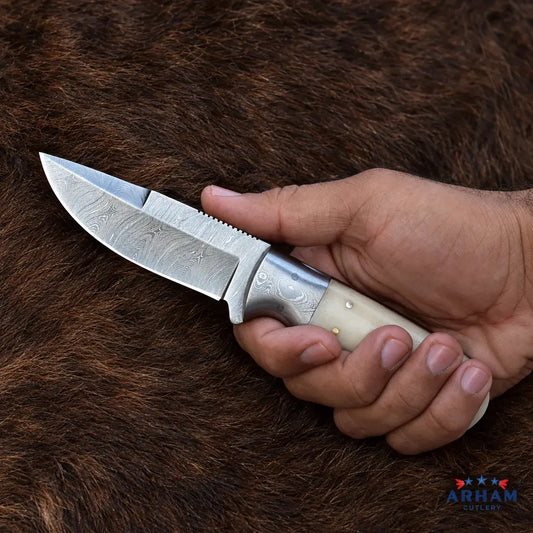
Damascus steel belt knives are especially popular with buyers who want visible handcrafted character alongside practical fixed-blade construction.
The layered pattern makes each blade visually distinctive and pairs naturally with materials such as rosewood, bone, horn, burl wood, and leather.
Damascus still requires sensible care. Keep the blade clean and dry after use and follow the maintenance recommendations listed for the specific knife.
High-Carbon Steel Belt Knives
High-carbon steel appeals to buyers who appreciate a traditional working-blade feel.
Depending on the specific steel and heat treatment, carbon-steel blades can offer strong cutting performance and straightforward sharpening, but they generally deserve more protection from moisture than stainless options.
For an outdoor working knife, maintenance requirements should be considered before choosing purely on appearance.
Stainless Steel Belt Knives
Stainless options can be attractive to buyers who prioritize easier maintenance and corrosion resistance.
Arham Cutlery carries belt-compatible designs using different stainless steels, including models made with J2 and other stainless materials depending on the individual knife.
Always check the product specifications because the Belt Knives collection is intentionally not limited to one steel.
Rasp File and Tool-Steel Style Belt Knives
Rasp-file and tool-steel-inspired blades have a different personality from polished stainless or patterned Damascus.
Their rugged surface texture works naturally with Western, ranch, and outdoor designs and can create a belt knife that looks intentionally work-focused rather than decorative.
Steel identification and specifications should always be taken from the individual product page.
Choosing the Right Belt Knife Size
Size is one of the most important decisions when buying a belt knife.
A knife that looks impressive in photographs may feel unnecessarily large when worn for several hours.
Compact Belt Knives
Compact fixed blades work well for buyers who prioritize mobility, control, and convenient everyday belt carry.
They can be useful for general cutting tasks without taking up the space of a large hunting or Bowie knife.
Mid-Size Working Belt Knives
A mid-size belt knife offers a balance between cutting edge and comfortable carry.
For many outdoor users, ranchers, hunters, and collectors, this is the most versatile size range because the knife remains substantial without becoming difficult to wear.
Larger Belt Knives
Larger hunting and Bowie-style knives provide more blade length and a stronger visual presence.
They can suit buyers who deliberately want a substantial outdoor knife, but sheath design and carry comfort become increasingly important as overall size increases.
Choose based on intended use rather than assuming that a longer blade is automatically better.
Leather Sheaths: Vertical, Horizontal and Cross-Draw Carry
The sheath should be considered part of the belt-knife system.
Vertical Belt Carry
Vertical carry is one of the simplest fixed-blade configurations. The knife hangs down from the belt and can work well for many traditional hunting and outdoor designs.
Horizontal Belt Carry
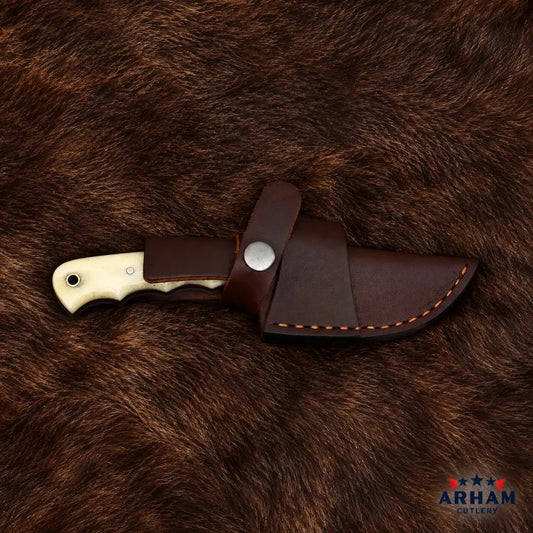
Horizontal carry positions the knife along the belt instead of allowing it to hang vertically.
This can reduce the vertical profile of a compact knife and may be attractive for everyday carry when the knife and sheath are designed appropriately.
Cross-Draw Carry
A cross-draw arrangement places the knife where it can be reached across the body with the dominant hand.
Some Western-style users prefer this positioning because of accessibility and the way the knife sits on the belt.
Pancake Leather Sheaths
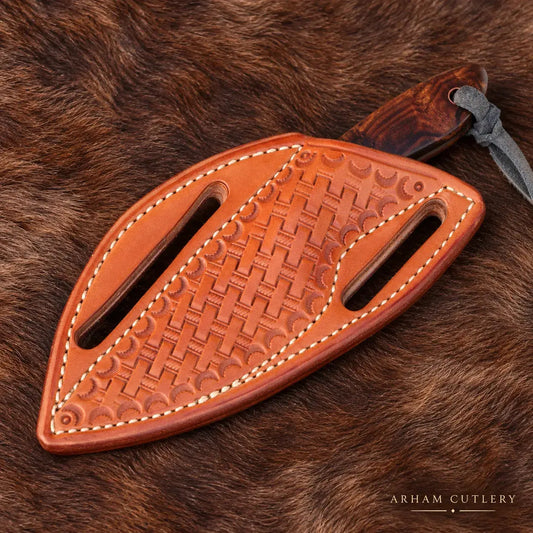
Pancake-style sheaths use a broader leather profile with belt slots that can keep the knife relatively close to the body.
Arham Cutlery carries several fixed-blade designs paired with this style of leather carry.
Because sheath construction varies, always confirm the exact carry configuration on the individual product page.
Belt Knife vs. Pocket Knife
A belt knife and a folding pocket knife solve the carry problem differently.
A pocket knife folds the blade into the handle, creating a compact package that can disappear into a pocket.
A belt knife keeps the blade fixed and carries the entire knife externally in a sheath.
The fixed-blade approach eliminates the folding mechanism and allows the handle and blade to be designed as one continuous working tool.
That does not make one format universally better than the other. Buyers who value compact pocket carry may prefer a folder, while buyers who want straightforward fixed-blade access may prefer a belt knife.
Belt Knife vs. Hunting Knife
These terms overlap, but they describe different things.
Belt knife primarily describes a fixed blade intended for belt carry.
Hunting knife describes a knife designed around hunting and field use.
A hunting knife can therefore also be a belt knife when it is supplied with an appropriate belt sheath.
However, not every belt knife is specifically a hunting knife. Western ranch knives, cowboy knives, utility fixed blades, skinning knives, and other designs can all fit within the Belt Knives category.
Belt Knife vs. Cowboy Knife
A Cowboy knife usually carries a stronger Western or ranch identity through its blade profile, handle materials, leatherwork, or overall styling.
A Belt Knife is a broader category.
Many cowboy knives are belt knives, but a belt knife may instead be designed around hunting, skinning, outdoor utility, Damascus craftsmanship, or another purpose.
That distinction is why Arham Cutlery maintains both a broad Belt Knives collection and a dedicated Cowboy Knives collection.
Handle Materials for Belt Knives
Handle material influences grip, appearance, maintenance, weight, and the personality of the knife.
Wood Handles
Wood remains one of the most natural choices for a handmade belt knife.
Rosewood, walnut, burl woods, and other species can provide warmth and grain variation that pairs particularly well with Damascus and Western-style fixed blades.
Bone and Horn
Bone and horn bring natural variation and traditional character.
No two natural handles are exactly identical, which makes them especially attractive for collectors who value individuality.
Micarta
Micarta provides a more modern option for buyers who prioritize consistency, durability, and practical grip.
It can work particularly well on knives intended for active outdoor use.
Resin and Composite Handles
Resin and composite materials allow a wider range of colors, patterns, and visual effects while still providing a practical fixed-blade handle.
The right material ultimately depends on how the knife will be used and what type of grip and appearance the buyer prefers.
How to Choose the Right Belt Knife
Start with the intended use.
For hunting, prioritize the blade profile, grip, working dimensions, and field practicality.
For skinning, look for controlled geometry and a blade shape suited to the work.
For ranch or Western carry, consider overall size, natural handle materials, and sheath orientation.
For general outdoor or everyday use, a compact or mid-size fixed blade may be easier to carry regularly than an oversized knife.
Next compare:
blade steel, blade length, overall length, handle material, handle shape, sheath type, carry orientation, and maintenance requirements.
Do not choose only by appearance.
A Belt Knife should make sense when it is both in your hand and on your belt.
Who Buys Belt Knives?
The category appeals to a wide range of users because belt carry is useful across several knife styles.
Hunters may choose a fixed blade for field access. Ranch and Western enthusiasts may prefer traditional leather carry. Outdoor users may want a dependable working knife that remains accessible without occupying a pocket. Knife collectors may focus on Damascus patterns, natural handles, unusual steel choices, or handcrafted leatherwork.
A Belt Knife can also make a distinctive gift for someone interested in hunting, ranching, outdoor equipment, Western craftsmanship, or handmade knives.
How to Care for a Belt Knife and Leather Sheath
Care depends on the blade steel and handle material.
After use, clean the blade and dry it completely before storage. Carbon steel, Damascus steel, and some tool steels may require additional moisture protection compared with stainless steel.
Avoid placing a wet or dirty knife into a leather sheath for extended storage.
If the sheath becomes damp, allow it to dry naturally. Avoid excessive heat, which can affect leather shape and condition.
Natural wood, bone, and horn handles should also be protected from prolonged moisture and extreme environmental changes.
A little routine care helps preserve both the working performance of the knife and the appearance of its handle and sheath.
Why Arham Cutlery Builds Belt Knives Around Carry
A Belt Knife should not simply be a fixed blade that happens to come with a piece of leather.
At Arham Cutlery, the category is built around the relationship between the knife and the way it is carried.
Blade length affects comfort. Handle shape affects control. Weight affects how the knife rides on the belt. Sheath orientation affects accessibility. Steel determines maintenance needs. Handle material influences both grip and character.
That is why the Arham Belt-Carry Standard looks at the complete system rather than one specification.
Whether you choose a compact Western knife, a handmade Damascus belt knife, a hunting blade, a skinning knife, or a rugged rasp-file design, the goal is the same:
a fixed blade that works in the hand, carries comfortably on the belt, and fits the job it was chosen for.